
Table of Contents
• What Is Natural Skincare?
• What Is Clean Beauty?
• What Makes Skincare Organic?
• Why Ingredient Lists Matter
• Where Hybrid Products Fit
• FAQs
Disclosure: This post may contain affiliate links. If you purchase through these links, I may earn a small commission at no extra cost to you. I only recommend products I believe may benefit my readers.
The world of skincare is packed with promises. Walk through any beauty aisle and you’ll spot words like “natural,” “clean,” and “organic” showing up everywhere. At first glance, these labels sound great, but it’s tricky to understand what you’re really getting in the bottle. A lot of shoppers are surprised to hear that many of these terms don’t actually have strict definitions or any legal backing in some parts of the world. That’s why I think it’s really important to break down what these buzzwords mean in a practical way, so you can shop for skincare that aligns with what you care about most, whether that’s ingredient safety, environmental impact, or visible results.
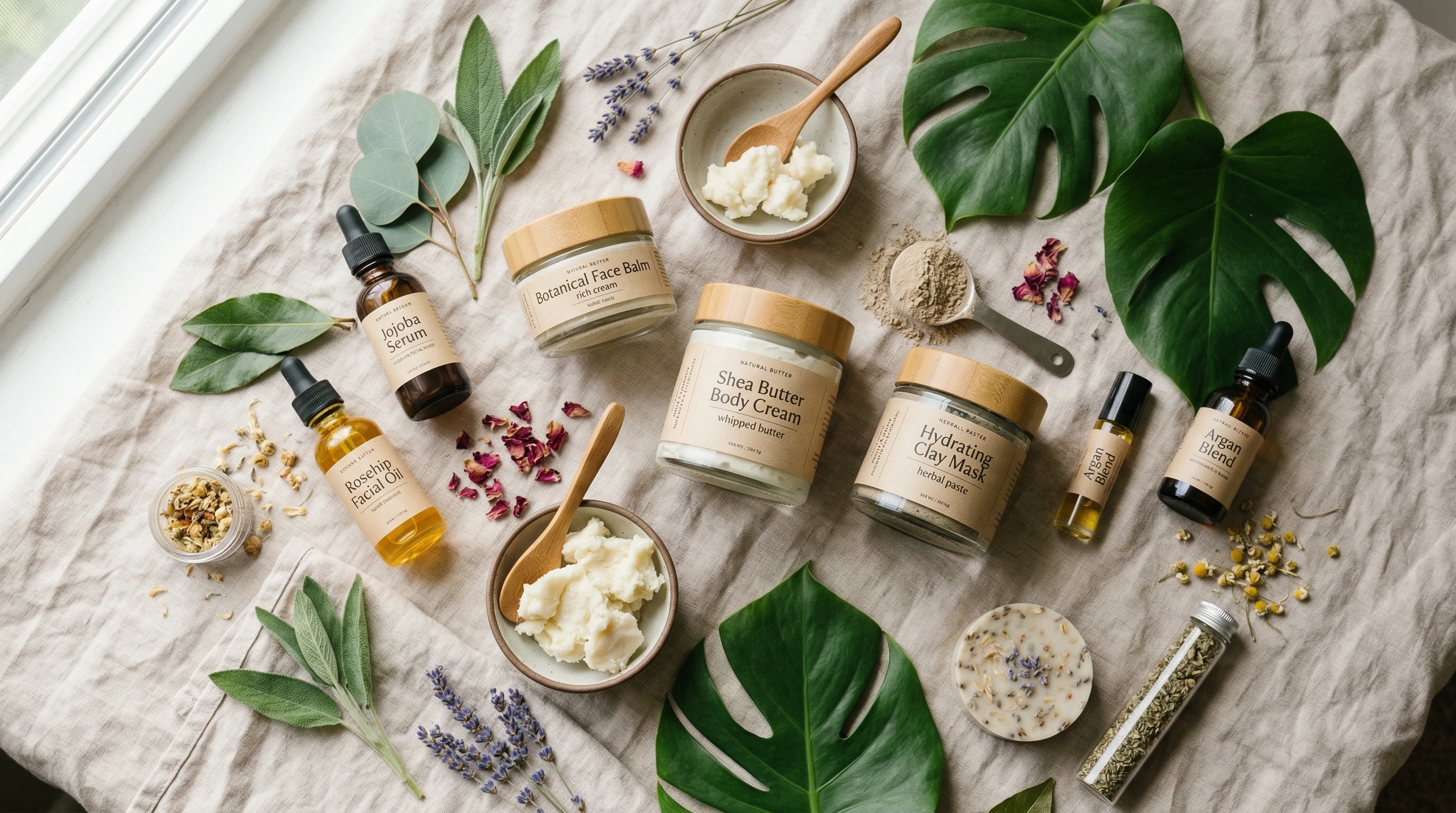 Natural skincare products with botanical ingredients including jojoba oil, rosehip oil, shea butter, and clay mask.
What Does “Natural Skincare” Really Mean?
Labels boasting the word “natural” tend to draw plenty of attention. Most people picture soothing plant oils, fresh botanicals, and earthy aromas. In reality, natural skincare products generally use ingredients either straight from plants, minerals, or other sources found in nature. These formulas usually contain:
- Plant oils: Think argan oil, jojoba oil, rosehip oil. These are great for moisturizing and often loaded with vitamins your skin loves.
- Botanical extracts: Popular options like green tea extract or calendula can be calming or provide antioxidant benefits.
- Natural butters: Shea butter and cocoa butter are classic examples, known for their rich, creamy texture and hydrating properties.
- Minimal synthetic chemicals: Many brands swap out parabens or artificial fragrances in favor of “cleaner” ingredients.
But here’s something I always remind people: “natural” isn’t a legally protected label in countries like the US. Manufacturers can use it pretty loosely, even if only a fraction of the ingredients are actually from natural sources. A product might contain some botanicals but still rely on synthetic preservatives or fillers. That’s why scanning full ingredient lists is really important if you’re trying to avoid certain additives.
It’s also helpful to remember that just because something’s natural, it doesn’t automatically mean it’s better or safer for everyone. For example, poison ivy is natural, but you wouldn’t want it in your moisturizer! Stick with what your skin likes and always do a patch test when you try something new, especially if it features plant extracts you haven’t used before. I learned that lesson the hard way. I went all in purchasing mineral makeup only to breakout in big, itchy, red bloches. The more familiar you become with ingredient labels, the easier it is to find formulas that truly match your preferences for natural ingredients.
What Is Clean Beauty?
Clean beauty is a term that gets tossed around a lot, but again, there’s no strict, universal definition. Rather than focusing strictly on the source of ingredients (plant, mineral, or lab-created), “clean” beauty is all about what’s not inside the bottle. Clean beauty brands often avoid using ingredients that have raised health or environmental concerns, even if those ingredients are technically approved for cosmetic use by regulators.
Here are some of the most commonly avoided ingredients in clean skincare lines:
- Parabens: Used as preservatives, but linked to potential hormone disruption concerns.
- Sulfates: Cleansing agents that can be harsh or drying, especially for sensitive skin.
- Phthalates: Often found in synthetic fragrances and linked to possible hormone disruption.
- Formaldehyde releasers: Preservatives that release formaldehyde, another ingredient many prefer to skip.
What’s cool about clean beauty is that it leaves room for some manmade ingredients, if they’re considered safe for both skin and the environment. That means you’ll find a blend of natural extracts and carefully chosen lab-created ingredients working together. A bunch of well known brands fall into this space, and it’s easy to spot “free from” lists on their packaging. The focus is on peace of mind shopping, rather than strictly sticking with ingredients that only come from nature.
Thanks to this approach, clean beauty often gives rise to products that are gentle and suitable for people with allergies or very sensitive skin. Many clean beauty fans like how these formulas skip possible irritants, but still make use of safe, effective lab-based ingredients to deliver visible results without a heavy reliance on synthetic chemicals that could cause problems for some users.
What Makes Skincare “Organic”?
Organic skincare promises something that feels extra pure: ingredients that are not only natural, but also grown without synthetic pesticides, chemical fertilizers, or genetically modified organisms (GMOs). So what you get is a product where the farming process behind those oils and botanicals is designed to protect the land, water supply, and even the people growing the crops.
To be called “organic,” an ingredient usually needs to meet guidelines set by certifying bodies. Keep an eye out for labels like:
- USDA Organic: Used in the USA for food, but also seen on some personal care products.
- COSMOS Organic: A European standard you’ll see on lots of premium international skincare.
- ECOCERT: Another credible organic label that’s well known worldwide.
Here’s the reality check, though: very few products are totally organic because skincare formulas often need stabilizers, preservatives, or other ingredients to stay fresh and effective. You might see labels that say something like “contains 70% organic ingredients” rather than 100%. Checking for actual certifications can help you spot brands that are making a real effort, rather than just marketing trendy buzzwords.
Some brands go the extra mile by supporting fair trade or sustainability initiatives in addition to organic farming. This means looking for additional certifications or information about how ingredients are sourced and the impact they have on the wider community or environment.
Why Ingredient Lists Matter More Than Fancy Marketing
The ingredient list on the back of a skincare product is where the facts live. No matter how pretty the front label looks, the back tells you exactly what you’re putting on your face and body. Learning to scan ingredient lists can help you avoid irritants, allergens, or ingredients you’d rather not use. Here are a few quick tips that I find super helpful:
- Ingredients are listed in order of quantity. Highest first, smallest last. So if a natural oil or botanical is at the bottom of the list, there’s not very much of it inside.
- Watch out for hidden fragrances. Ingredients like “parfum” or “fragrance” could hide dozens of chemical components that don’t have to be broken down individually.
- Botanical names might look intimidating (Cocos Nucifera is just coconut!). A quick search online can help you crack the code.
- Preservatives aren’t always bad. Some are needed to keep your products safe for use. See if the preservatives used match your preferences.
Many brands now list both the fancy Latin name and a common name (like “Butyrospermum Parkii (Shea) Butter”), which is a lifesaver for ingredient detective work. If you ever feel unsure, there are free ingredient checker apps that break everything down in plain language.
I recommend an app and a website. First the App: Yuka. This app is completely free to use. Lets you scan the barcode of skincare or cosmetic products and shows a score (0–100) based on ingredient safety. Then it breaks down each ingredient and explains potential health effects and suggests healthier alternatives if a product scores poorly. Second I recommend a website called INCI Decoder. This website allows you to Paste an ingredient list and it explains what every ingredient does. That will allow you to determine if there are any flags for your own sensitivities.
Where Do Hybrid Skincare Products Fit In?
The clean beauty landscape has grown so much that brands are getting creative with “hybrid” formulas. These products use the best of both worlds. You’ll see natural plant oils and extracts paired up with lab-created actives for targeted results. These products are known to be pretty handy for things like hydration, glow, or even reducing fine lines, without going all in on either side of the natural science divide.
Take Caviargon as an example. This product blends luxurious oils with clinically tested actives. So you get a smooth texture, quick absorption, and results driven ingredients all in one bottle. Sometimes, you’ll also find hybrids made for sensitive skin that use plant-based soothing agents alongside well researched peptides or vitamins that are synthetically produced. It’s a practical way for brands to offer both skin-friendly formulas and real performance.
Hybrid skincare has become especially popular with beauty enthusiasts who want transparency and real results. By mixing ingredients from both nature and science, brands are able to meet modern performance demands while still appealing to those concerned about purity or environmental responsibility. Ultimately, hybrid formulas are about flexibility and getting the most out of every ingredient, regardless of its origin.
Smarter Skincare Shopping: What Matters Most
When I shop for skincare, I always put my personal skin needs and goals first. I am 57. My skincare changed because of hormones and chemotherapy. I have had more breakouts in my 50’s than I ever did as a teenager.
Marketing is designed to grab attention, but it’s not always a shortcut to results or safety. Whether you’re drawn to natural, clean, or organic beauty, taking a close look at ingredient lists and thinking about how a product fits your lifestyle is way more effective than relying on label language alone.
If you find a product that’s labeled “natural,” check what percentage of it really comes from plants or minerals. For clean beauty, look for brands that are transparent about what they avoid and why. With organic skincare, those third-party certifications are your best friend.
Your best bet is always to listen to your skin. If a formula feels good, doesn’t cause irritation, and lines up with your values on sourcing or sustainability, then it’s worth keeping in your routine. And with the rise of hybrid products, you don’t really have to pick one side. There’s a huge mix of options out there for every skin type and need.
It can help to keep a simple skincare journal, tracking what you use and how your skin responds, especially if you’re trying to switch things up and figure out whether your new natural or hybrid product is making a difference. Over time, noting these changes can help you spot patterns and make informed decisions based on your skin’s unique needs.
If you prefer simple plant-based ingredients
→ Natural skincare may be a good fit.
If you want ingredient safety but still want high-performance formulas
→ Clean beauty might be ideal.
If sustainability and farming practices matter most
→ Organic skincare could be your preference.
If you want the benefits of both nature and science
→ Hybrid formulas may be worth exploring.
This section improves search traffic and engagement.
Frequently Asked Questions
Does natural always mean safe?
Not really. Even some natural ingredients (like essential oils) can be irritating for certain skin types. Safe skincare comes down to the full formula and your personal skin sensitivities.
Can I trust “organic” labels on any skincare product?
For the best assurance, look for recognized certifications such as USDA Organic, COSMOS, or ECOCERT. These require stricter ingredient sourcing and handling processes.
How can I spot greenwashing in skincare?
Greenwashing happens when a brand markets a product as eco-friendly or “clean” without much substance behind the claim. Check for ingredient transparency, third party certifications, and honest explanations about what the brand avoids or includes.
Should I avoid all synthetic ingredients?
Not necessarily! Plenty of safe, effective, and hypoallergenic options come from the lab. Whether you go natural, clean, or hybrid, focus on formulas that work well for your skin’s personal needs.
Wrap Up
Skincare labels can get confusing fast, but knowing what “natural,” “clean,” and “organic” actually mean makes shopping a whole lot easier. Focus on what works for your skin, stay curious about ingredients, and remember: great skincare often comes from a mix of science and nature, not just one or the other. With options continuing to grow, there’s truly something for everyone, no matter your values or needs.